Sleep Well on the Night Bus: How to Get Proper Rest on Long Trips

Sleep Well on the Night Bus: How to Get Proper Rest on Long Trips
An overnight bus can be a smart and budget-friendly way to travel—especially if you want to save on a hotel night and wake up in a new city. But getting real rest on a moving bus isn’t always easy. The hum of the engine, the flicker of streetlights, and the occasional stop can make it hard to drift off. Fortunately, with a few simple strategies, you can turn your night bus ride into a surprisingly restful experience.
Prepare Before You Board
A good night’s sleep on the bus starts long before you take your seat. Eat a light meal before departure—something balanced but not too heavy. Avoid large amounts of caffeine, energy drinks, or alcohol, as they can interfere with your ability to fall asleep.
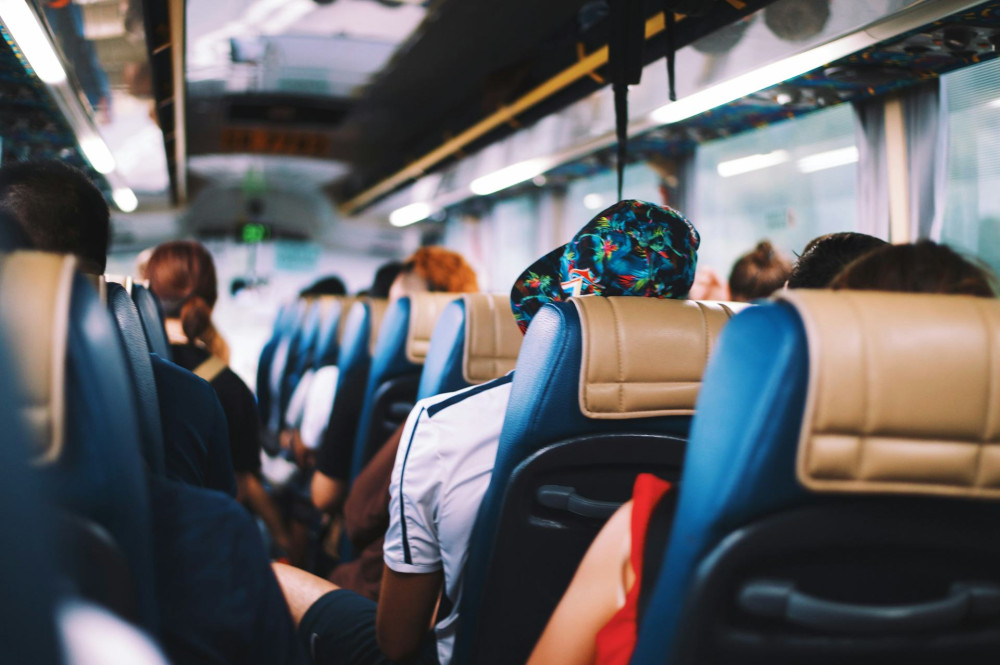
If you can choose your seat, aim for one in the middle of the bus, where there’s less noise and movement. Try to avoid sitting near the restroom or the back door, where people tend to walk by more often.
Create Your Own Sleep Zone
Sleeping upright isn’t ideal, but the right gear can make a big difference. Pack a few essentials to make your seat feel more like a cozy corner:
- A travel pillow – supports your neck and keeps your head from falling forward.
- A blanket or large scarf – bus temperatures can fluctuate, and staying warm helps you relax.
- An eye mask and earplugs – block out light and noise so you can fall asleep faster.
- A hoodie or jacket with a hood – adds warmth and a sense of privacy.
The more you can create a calm, enclosed space, the easier it will be to unwind.
Find a Comfortable Sleeping Position
Bus seats aren’t designed for deep sleep, but small adjustments can make them more comfortable. Recline your seat as far as it goes without bothering the person behind you. Place a small pillow or rolled-up sweater behind your lower back for support. Crossing your legs lightly or resting your feet on a small bag can also help prevent them from sliding into the aisle.
If you’re traveling with a friend, sitting together can make it easier to relax—you can lean slightly toward each other without worrying about invading a stranger’s space.
Limit Screen Time
It’s tempting to watch a movie or scroll through your phone until you feel tired, but the blue light from screens keeps your brain alert. Instead, try listening to calm music, a podcast, or a guided meditation. These can help your body wind down and signal that it’s time to rest.
If you use headphones, choose a pair that’s comfortable even when you lean your head against the window.
Stretch During Stops
Even if you’d rather stay asleep, it’s worth stepping off the bus when it makes a rest stop. A quick stretch improves circulation and helps prevent stiffness or swelling in your legs. Drink a little water to stay hydrated, but not so much that you’ll need to get up in the middle of the night.
Læs også:



Accept That Sleep Will Be Different
Even with the best preparation, sleep on a night bus won’t be as deep as it is in your own bed—and that’s okay. Think of it as a moving nap, a way to rest enough to enjoy the next day. If possible, plan a relaxed morning when you arrive so you can grab an extra coffee or take a short nap at your destination.
Make the Journey Part of the Experience
Traveling by night bus isn’t just about getting from point A to point B. It’s also about the experience itself—the rhythm of the road, the glow of passing towns, and the quiet hum of travel at night. When you embrace the pace and atmosphere, the ride becomes part of the adventure.
With a little planning and the right mindset, you can get a surprisingly good night’s rest on the road—and wake up ready for whatever your next stop has in store.
Læs også: