Modern Trains, Smooth Journey: Comfort and a Quiet Ride

Modern Trains, Smooth Journey: Comfort and a Quiet Ride
Traveling by train today is a completely different experience from what it was just a few decades ago. Modern trains have become symbols of comfort, efficiency, and sustainability—offering travelers a smooth, quiet, and relaxing way to move between cities. From ergonomic seating and soundproof cabins to seamless acceleration and digital onboard services, every detail is designed to make the journey as pleasant as possible. But what exactly makes today’s trains so comfortable and quiet?
Quiet Technology – Peace in Motion
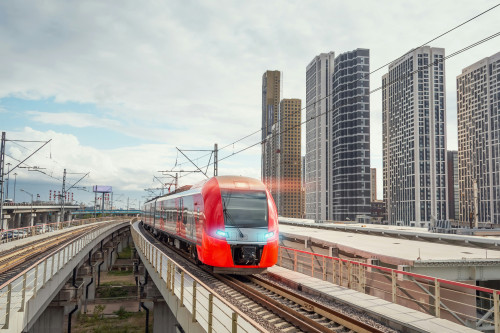
One of the most remarkable improvements in modern rail travel is the reduction of noise. Gone are the days of clattering wheels and roaring engines. Today’s trains feature advanced suspension systems, aerodynamic designs, and sound-absorbing materials that minimize vibrations and external noise.
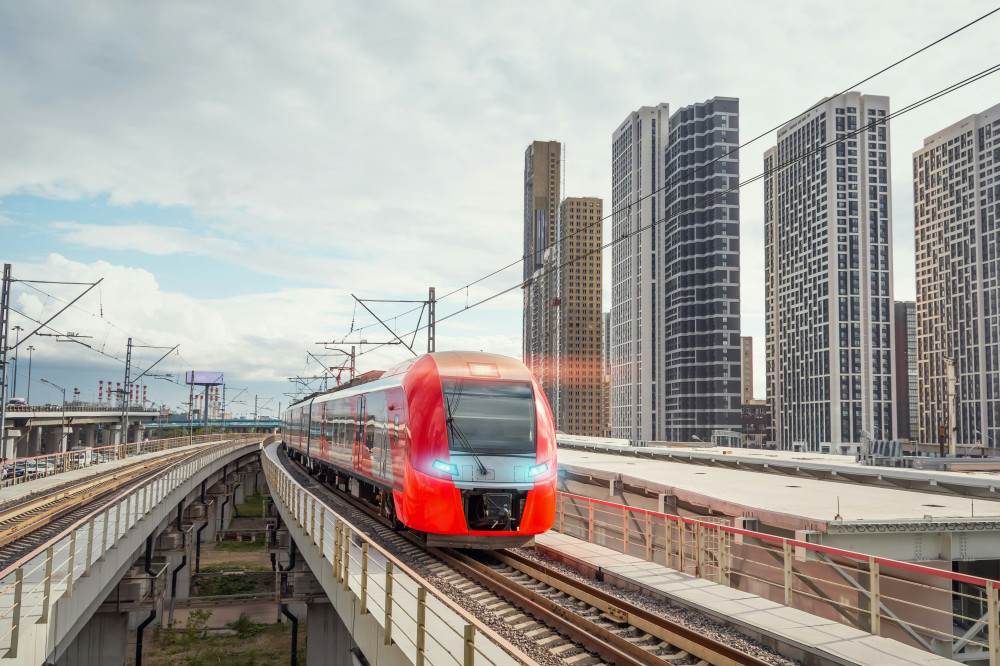
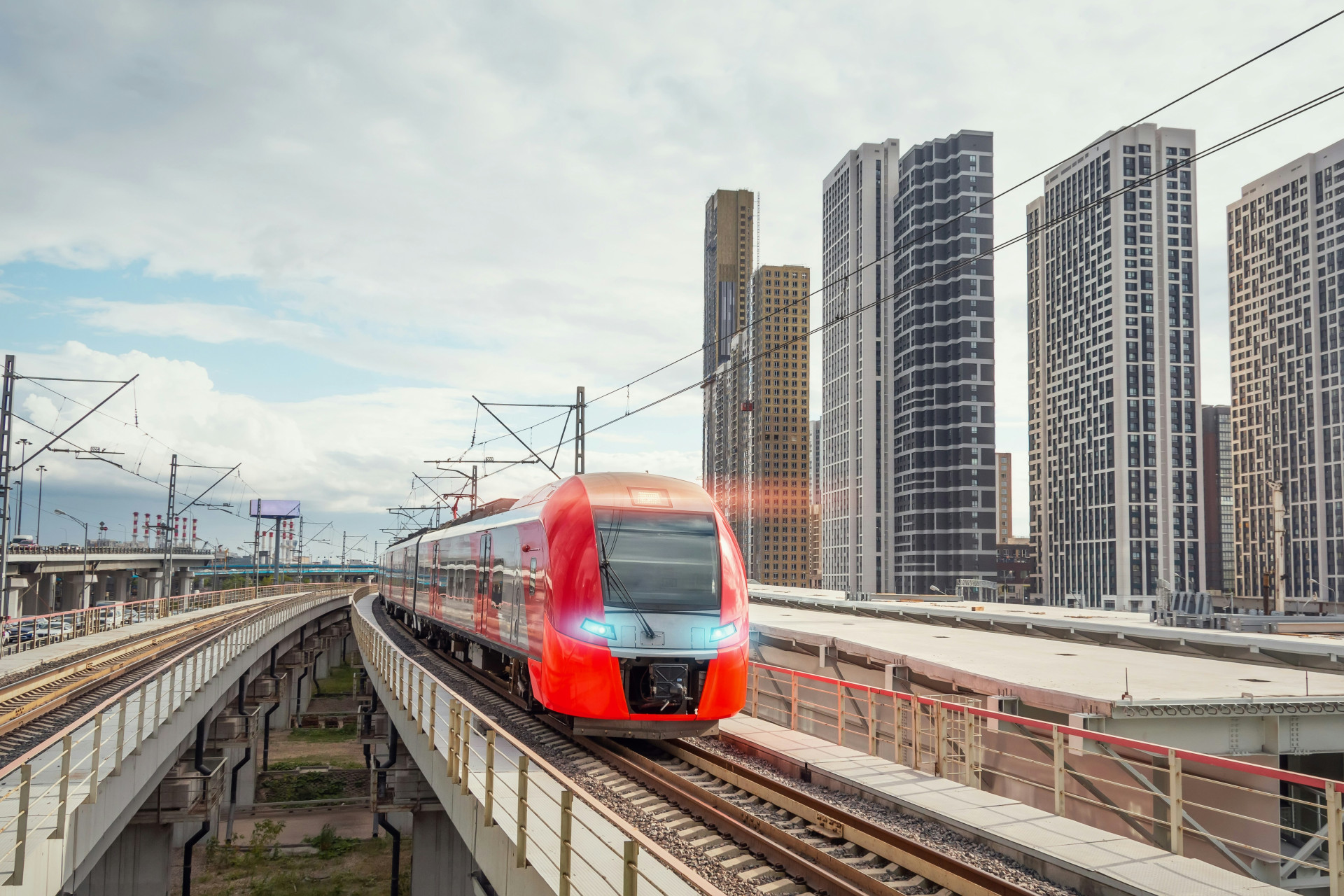
Electric propulsion plays a major role in this transformation. Replacing older diesel locomotives, electric trains glide almost silently along the tracks while producing fewer emissions. This not only enhances passenger comfort but also benefits the communities through which the trains pass.
Læs også:

Comfort First – Designed for Relaxation
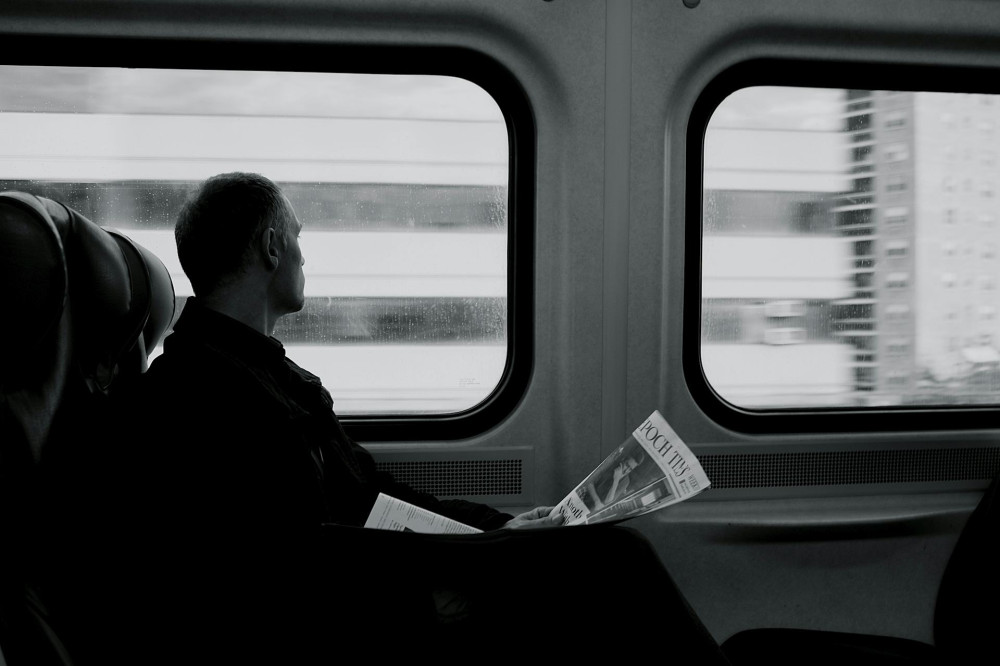
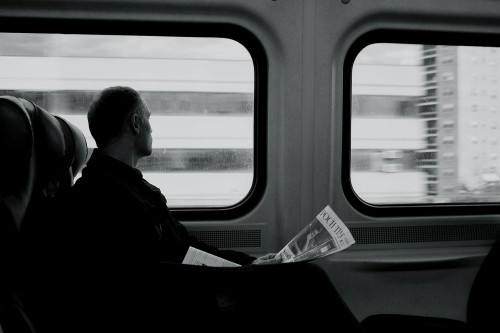
Comfort is about more than just soft seats—it’s about the entire travel experience. Modern trains are designed with attention to lighting, temperature control, and spacious interiors that allow passengers to move freely. Many routes now offer quiet cars for those who wish to work or read in peace, as well as family-friendly sections where children can play without disturbing others.
Seats are ergonomically shaped with adjustable backrests, footrests, and easy access to power outlets and USB ports. Some of the newest train models even include wireless charging and personal lighting, allowing each traveler to create their own comfortable space on board.
Smooth Ride – The Engineering Behind the Calm
Behind the effortless glide of a modern train lies sophisticated engineering. Active suspension systems automatically adjust to track conditions and speed, reducing bumps and swaying. The result is a stable, almost floating sensation—even at high speeds.
In the United States, ongoing investments in rail infrastructure are helping to modernize tracks with precision welding and improved foundations. These upgrades reduce vibrations and make long-distance travel smoother and more enjoyable.
Digital Service and Flexibility
Today’s train journey is also a digital experience. Tickets can be purchased, changed, or upgraded through mobile apps, and passengers can access real-time updates about connections, delays, and upcoming stops. Onboard Wi-Fi is increasingly standard, allowing travelers to work, stream entertainment, or stay connected with family and colleagues while on the move.
Some rail operators are even exploring personalized travel options—such as seat selection based on noise levels, window views, or proximity to service areas—making the journey more tailored to individual preferences.
A Sustainable and Comfortable Future
Train travel isn’t just comfortable—it’s one of the most environmentally friendly ways to get around. Electrification, energy-efficient motors, and recyclable materials make trains a smart choice for eco-conscious travelers. Manufacturers are also developing lighter, more aerodynamic trains that use less energy and produce even less noise, paving the way for a greener and quieter future.
The Journey as Part of the Experience
In an age when many forms of transportation focus solely on speed, trains offer something different: the chance to enjoy the journey itself. The scenery, the rhythm, and the calm movement through the landscape turn travel time into a moment of reflection and relaxation. It’s not just about getting from point A to point B—it’s about savoring the ride.
Læs også: