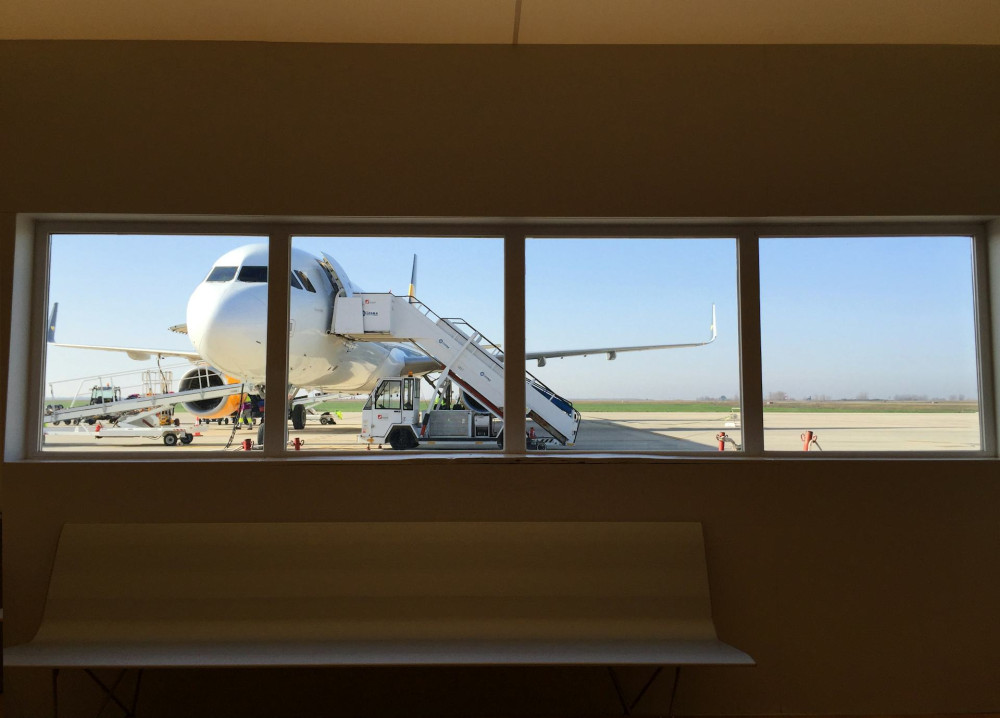
Fewer but Longer Flights – A Step Toward More Sustainable Travel

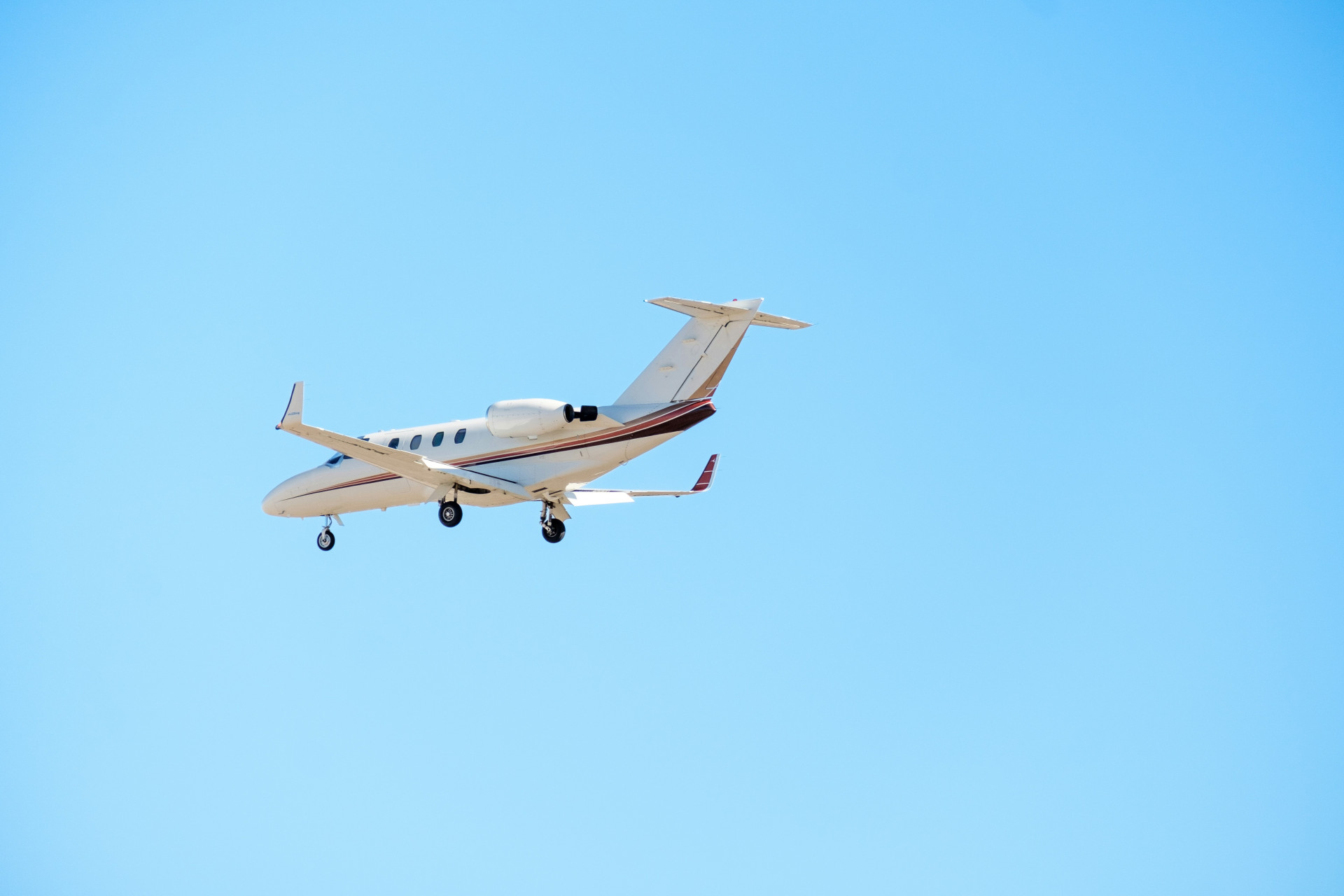
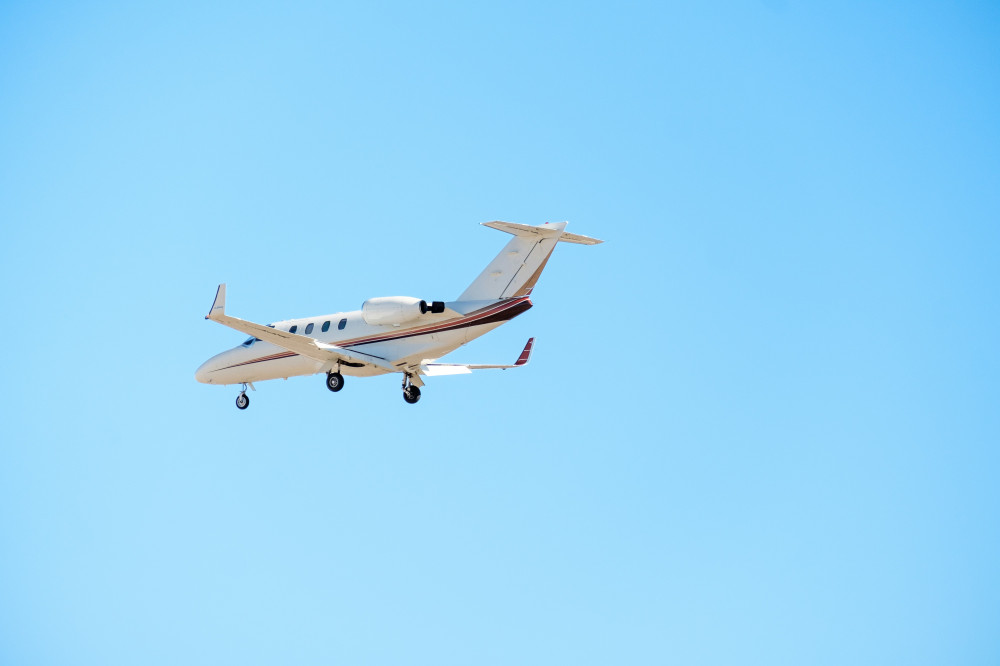
Fewer but Longer Flights – A Step Toward More Sustainable Travel
Air travel is one of the most carbon-intensive ways to get around. Yet for many Americans, flying is an essential part of both work and leisure. As awareness of climate change grows, more travelers are asking how they can explore the world responsibly—without giving up the joy of discovery. One of the most effective strategies is simple: fly less often, but stay longer when you do.
Why Fewer Flights Matter
Airplanes emit large amounts of CO₂, especially on short routes where takeoff and landing consume the most fuel. A single round-trip flight from New York to Miami can produce more emissions per passenger than months of daily car commuting in a hybrid vehicle. That means the number of flights you take often matters more than the total distance you travel.
By reducing the number of trips—say, taking one extended vacation instead of several short getaways—you can significantly lower your carbon footprint. It’s not about giving up travel altogether, but about traveling smarter.
Longer Stays, Deeper Experiences
Staying longer in one place can also transform the way you experience a destination. Instead of rushing from one attraction to the next, you have time to settle in, get to know the local community, and support small businesses in a more meaningful way.
Many travelers find that longer stays lead to more fulfilling experiences. Renting an apartment, shopping at local markets, and participating in everyday life can make a trip feel more authentic. It’s a way of traveling that benefits both the planet and your personal connection to the places you visit.
Mix and Match Transportation
While flying is often unavoidable for reaching distant destinations, you can combine it with other modes of transport once you arrive. Instead of hopping on another plane for short domestic legs, consider taking a train, bus, or ferry. This not only reduces emissions but also allows you to see more of the landscape along the way.
In the U.S., long-distance train travel is gaining renewed interest, and regional rail networks are expanding. For shorter trips—say, between cities in the Northeast or along the West Coast—rail or carpooling can be a practical and lower-impact alternative to flying.
Work and Travel: The Rise of the “Workation”
The shift toward remote and hybrid work has opened new possibilities for combining work and travel. So-called “workations”—working from another location for an extended period—allow people to make the most of a single flight while maintaining their professional routines.
By staying longer in one place, you can balance productivity with exploration, making travel more sustainable and less rushed. It does, however, require planning and sensitivity to local conditions, such as time zones, internet access, and cultural norms.
Læs også:



How to Plan More Sustainable Trips
If you want to make your travel habits more climate-friendly, start with a few simple principles:
- Plan fewer, longer trips. Reducing the number of flights cuts emissions and gives you more time to immerse yourself in your destination.
- Choose direct routes. Layovers increase fuel use and total emissions.
- Explore alternatives. Trains, buses, or carpooling can be great options for shorter distances.
- Stay local. Opt for small hotels, guesthouses, or vacation rentals that support the local economy.
- Offset your emissions. Carbon offsets aren’t a perfect solution, but credible programs can help balance unavoidable emissions.
A New Way to Think About Travel
Sustainable travel isn’t just about transportation—it’s about mindset. Instead of chasing as many destinations as possible in the shortest time, focus on quality over quantity. That means fewer flights but richer experiences, and a way of traveling that respects both the planet and the people who call it home.
Flying less often and staying longer isn’t a sacrifice—it’s a step toward a more conscious, meaningful, and sustainable way to see the world.
Læs også: