Experience Nature in Peace: National Parks in the Off-Season for Spontaneous Adventurers

Experience Nature in Peace: National Parks in the Off-Season for Spontaneous Adventurers
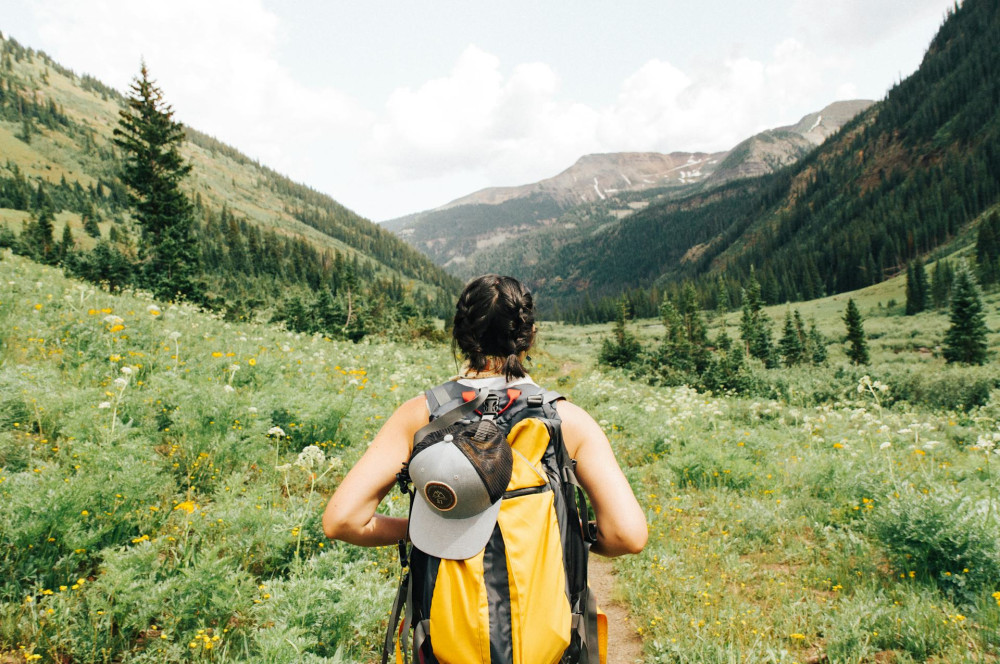
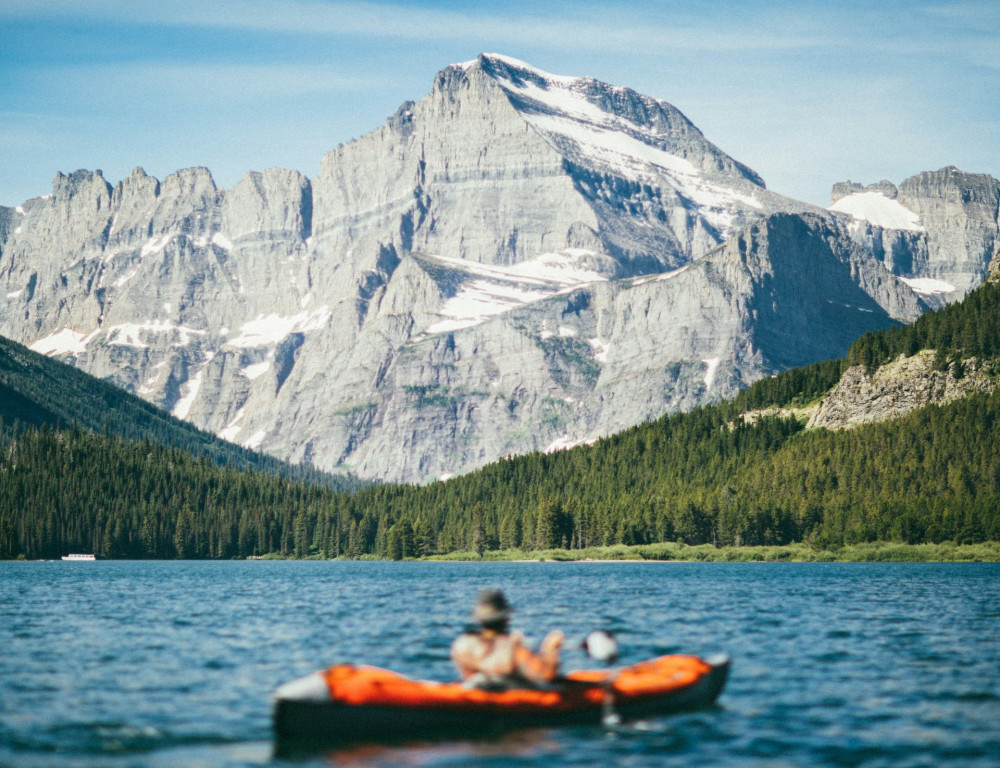
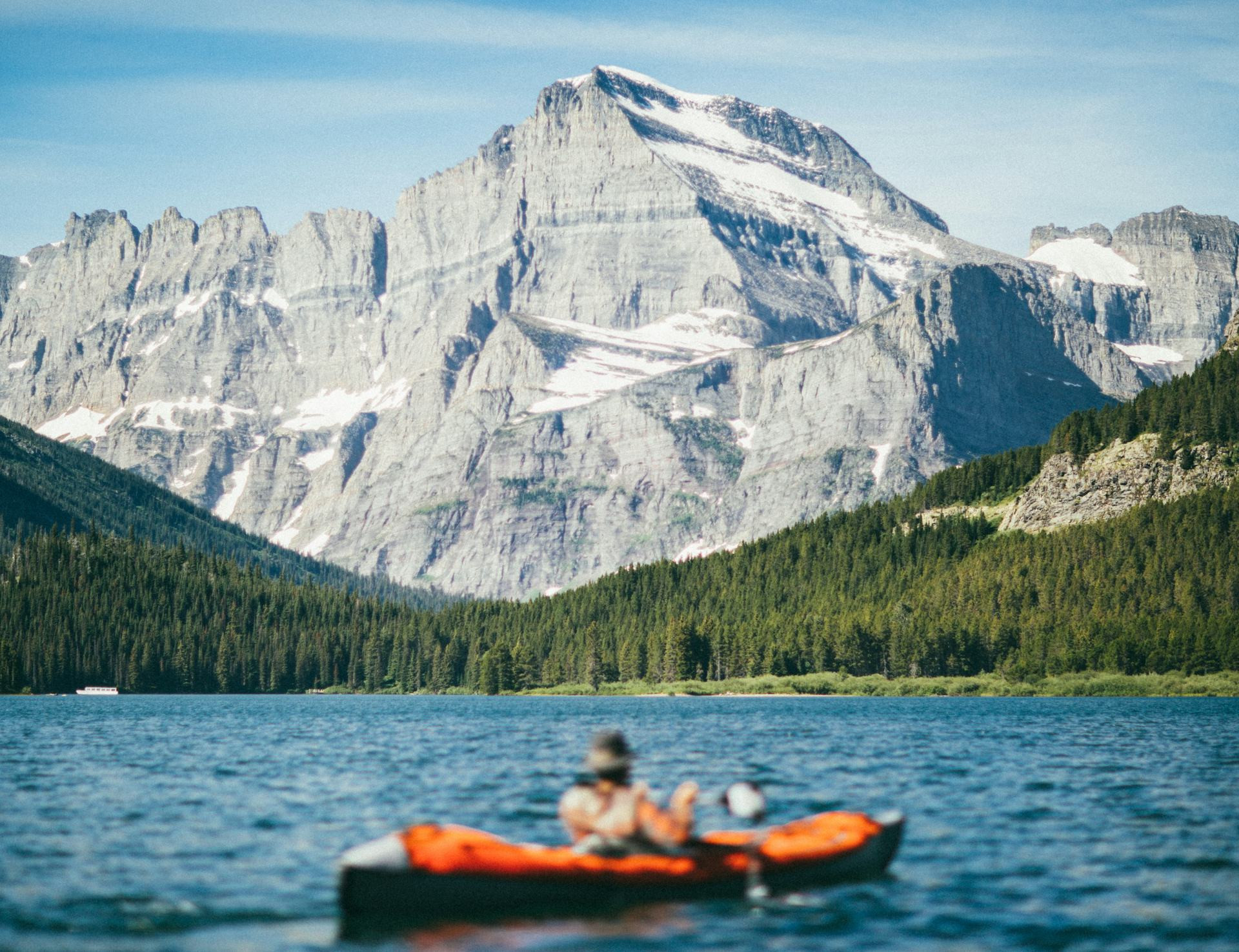
For many Americans, national parks are synonymous with summer road trips, crowded viewpoints, and packed campgrounds. But for the spontaneous adventurer seeking solitude, reflection, and a deeper connection with nature, the off-season offers a hidden world of calm. When the crowds thin and the air turns crisp, the parks reveal a quieter, more intimate side—one that rewards those who venture out when others stay home.
Why the Off-Season Is Nature’s Best Kept Secret
Visiting national parks outside the peak months isn’t just about avoiding crowds—it’s about experiencing nature in transition. In fall, forests glow with color and the scent of pine and earth fills the air. Wildlife becomes more visible as animals prepare for winter. In the colder months, snow transforms familiar trails into peaceful wonderlands, where every sound is softened and every step feels like discovery.
For spontaneous travelers, the off-season is a gift. Lodging is easier to find, prices are often lower, and you can change your plans on a whim without worrying about sold-out campsites or timed-entry reservations. It’s freedom in its purest form—the kind that invites you to follow your curiosity rather than a schedule.
Læs også:
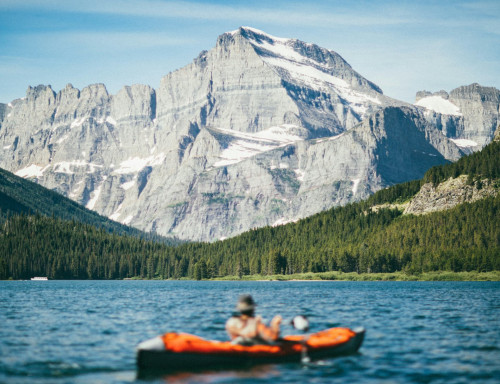
Three National Parks That Shine in the Quiet Season
-
Yosemite National Park, California – In winter, Yosemite Valley is a serene masterpiece of granite and ice. The waterfalls slow to a mist, and the meadows lie silent under a dusting of snow. You can hike the lower trails, photograph Half Dome in the soft winter light, or simply sit by the Merced River and listen to the stillness.
-
Great Smoky Mountains National Park, Tennessee/North Carolina – When the summer haze lifts, the Smokies reveal their crisp outlines and quiet charm. Late fall and early winter bring fewer visitors, making it easier to spot deer, wild turkeys, and even black bears preparing for hibernation. The park’s scenic drives, like Newfound Gap Road, offer breathtaking views without the traffic.
-
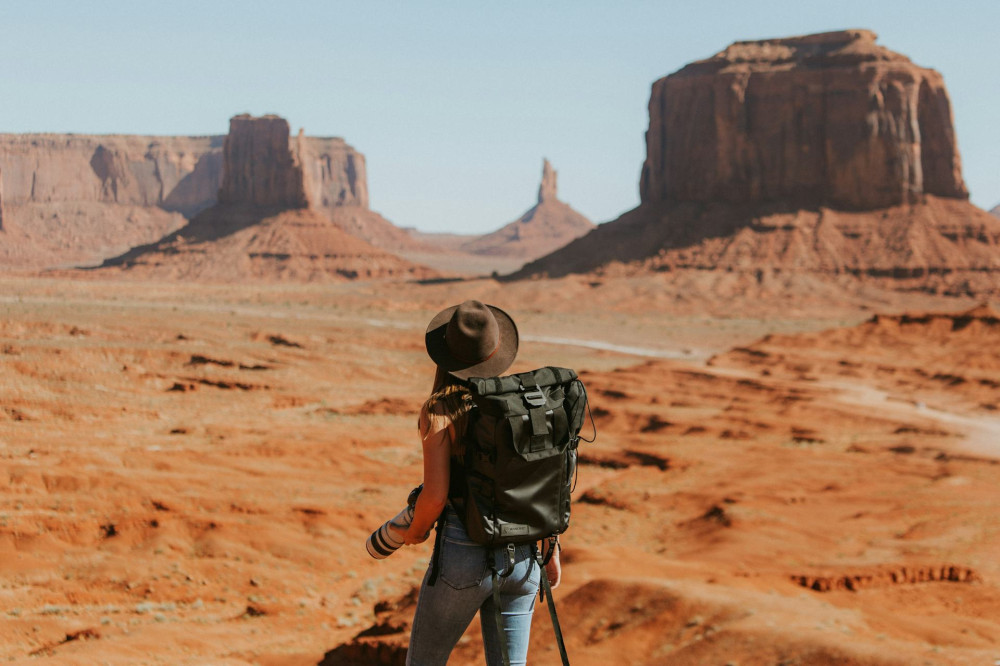
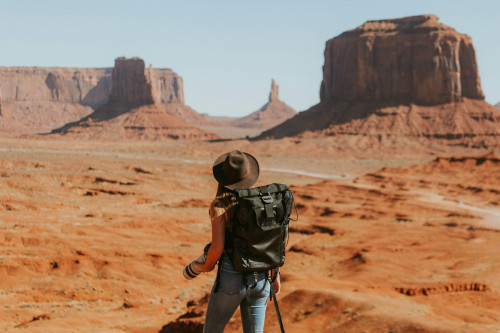
Arches National Park, Utah – The red rock formations glow even brighter under the low winter sun. With cooler temperatures and fewer tourists, you can wander through the arches and canyons at your own pace. Sunrise and sunset paint the desert in shades of gold and rose, and the night sky—free from summer crowds—becomes a stargazer’s dream.
These parks are just a starting point. From Maine’s Acadia to Washington’s Olympic, every national park has its own quiet season magic waiting to be discovered.
Practical Tips for the Spontaneous Explorer
While spontaneity is part of the adventure, a little preparation goes a long way when traveling in the off-season.
- Check weather and road conditions – Snow, ice, or seasonal closures can affect access.
- Dress in layers – Temperatures can shift dramatically between day and night.
- Pack food and hot drinks – Visitor centers and restaurants may have limited hours.
- Have a flexible plan – Keep a list of nearby accommodations or campgrounds in case conditions change.
Being ready for the unexpected allows you to embrace the freedom of the moment without stress.
Respecting Nature’s Rhythm
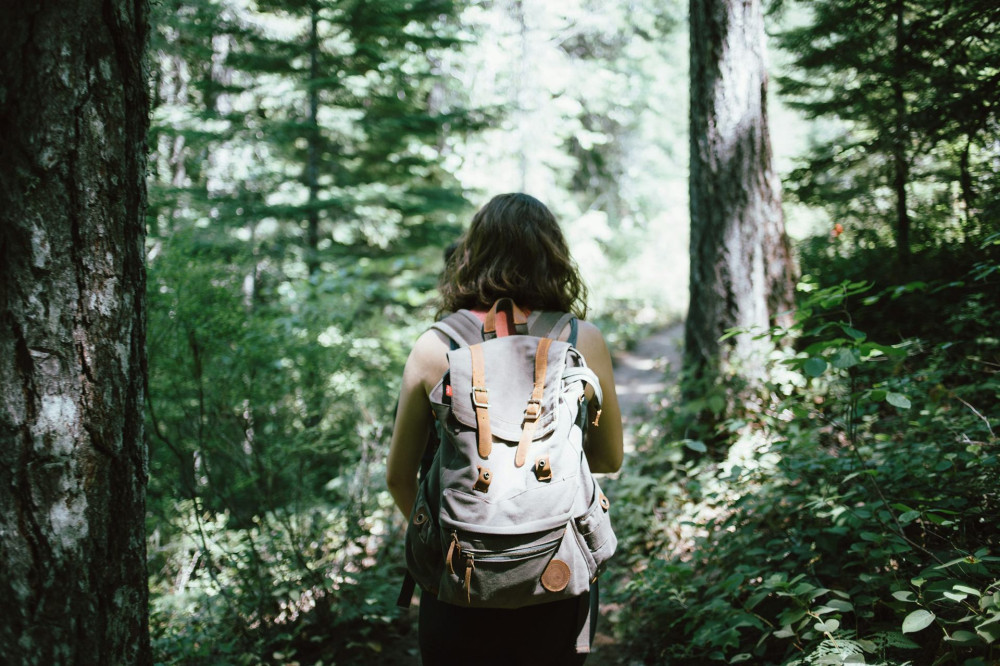
In the off-season, you’re often closer to wildlife and more fragile ecosystems. Keep a respectful distance from animals, stay on marked trails, and leave no trace of your visit. The quiet beauty of these months depends on travelers who tread lightly and honor the land.
A Journey for the Soul
Exploring national parks in the off-season is more than a trip—it’s a chance to slow down and reconnect. You feel the wind, watch the light shift across the landscape, and rediscover the peace that comes when the world around you rests. For the spontaneous adventurer, it’s a reminder that the best journeys often begin with a simple decision: to go, without a plan, and let nature lead the way.
Læs også: